LETTERS FROM THE HEART - BOOK OF HEBREWS
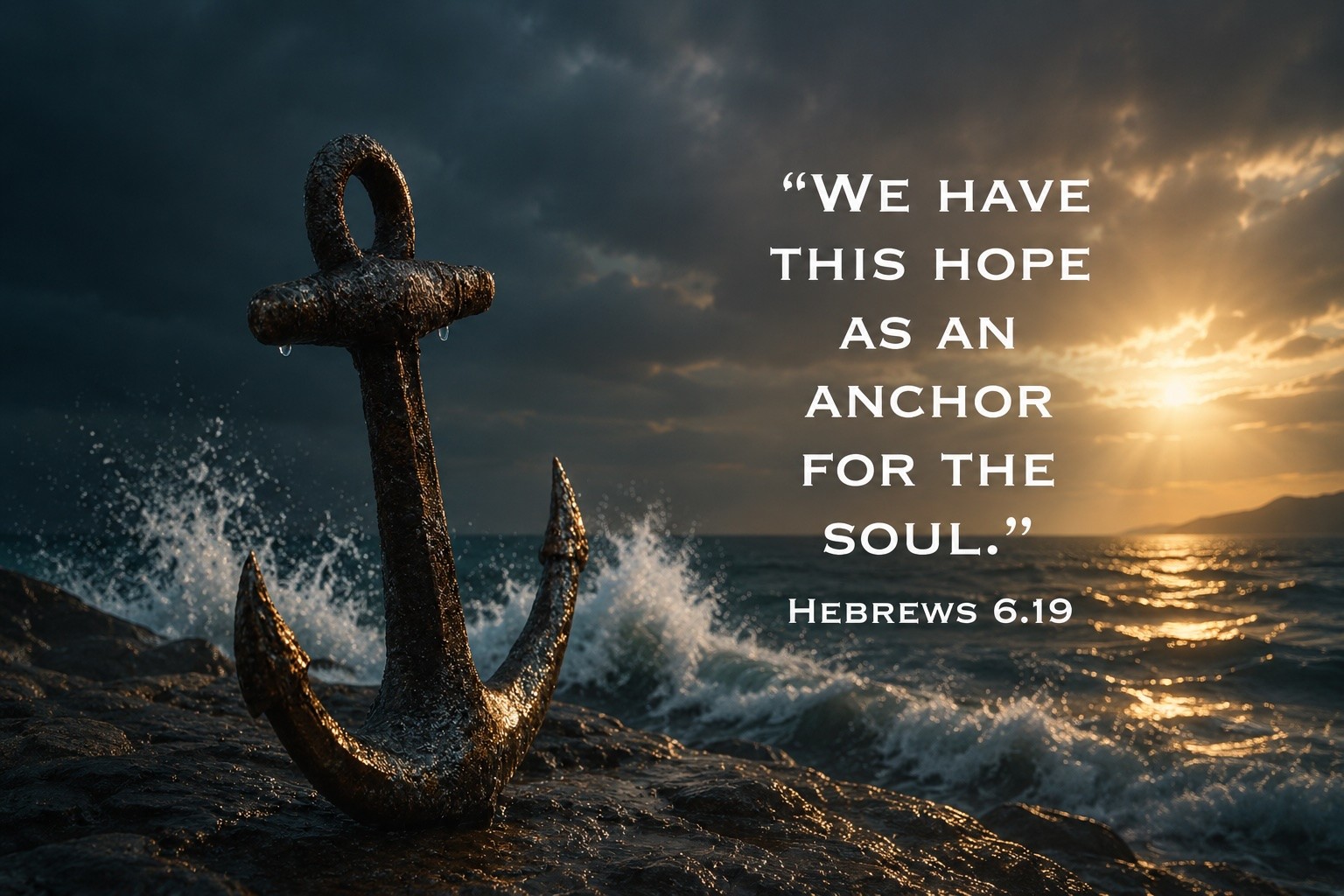
Image by Brett Jordan from Unsplash
Introduction to a new series: Letters from the Heart (Book of Hebrews)
DON’T TURN BACK
The “Book of Hebrews” is actually a letter, a long one. The writer, who remains unknown to us, calls it a "word of exhortation". He even apologises for its brevity, saying it is "only a short letter" (13.22). That puzzles us readers who find the epistle one of the most difficult to read and follow.
Nevertheless, it bears a message that is both needed and urgent today. Its gist is, "Don't turn back." The original readers were probably believers for some time. Perhaps, the initial thrill of coming to Christ had faded, and severe challenges (such as the growing persecution) lay ahead.
They were tempted to give up their faith, and return to their former religion, Judaism. Moreover, all the rituals they were once so used to appear to promise greater security.
In “Hebrews”, the author sounds a stern warning, in fact several warnings, against falling away. The readers had come this far, they could not afford to go back now. To encourage and instruct them, he carefully argues for the superiority of Christ over angels, Moses, the Law, the sacrificial system, and the high priest.
He shows that all that have happened before are but shadows and copies of the real thing in Jesus Christ. Why go back to the shadowy copy when you have now the real and original?
As we study this epistle, we need to be patient. We may not understand everything we read. It is all right. It takes someone with a considerable grasp of the Old Testament to be able to appreciate “Hebrews” fully.
For the moment, it may be enough for us to follow the main themes. Let us focus our attention on the part of the reading we understand. Never mind (for the time being) the part we find difficult. I'm sure we'll have the opportunity to come back to “Hebrews” again another time. This way, we won't feel discouraged.
Instead, we will discover the many precious gems in “Hebrews”. Its content is not just theology. Complex though it may sound in some parts, it is full of practical exhortations to action. Such exhortations we can understand.
As Mark Twain once said, "Most people are bothered by those passages in Scripture which they cannot understand; as for me, I always noticed that the passages in Scripture which trouble me most are those I do understand."
We begin a series of 31 devotions. In the coming weeks and months, we will find the truth of Hebrews 6.19: “We have this hope as an anchor for the soul, firm and secure.” We will not want to turn back.
Regards,
David Wong