POWERFUL PRAYER
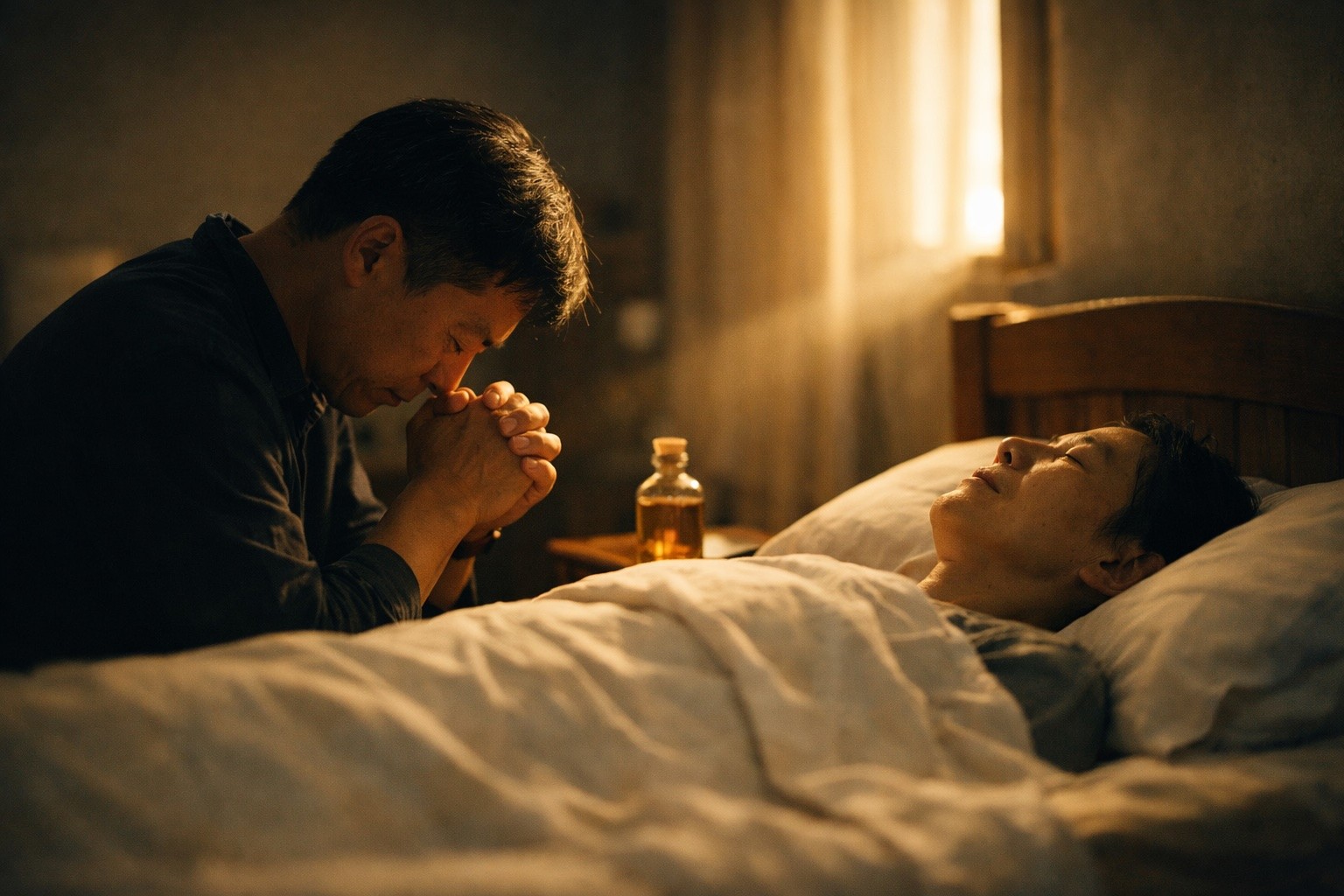
Image generated by Sora
POWERFUL PRAYER
James 5:13-18
"The prayer of a righteous man is powerful and effective." (v.16)
PRAYER HAS BEEN CALLED THE Christian's breath. If so, it should permeate every part of life. Whether we are sad or happy, sick or well, we should pray - just as we would continue in whatever circumstances to breathe. But it is no secret that very often we cry to God only when we are in trouble or are sick in bed.
James gives us an insight into the practice of his times when someone is ill. "He should call the elders of the church to pray over him...." (v.14). Sickness - and serious sickness is implied here since the patient apparently cannot go to the elders - is not just a personal matter; it becomes the concern of the wider Christian fellowship. The sick is ministered to by prayer and medicine. Some commentators understand the anointing with oil to be no more than a symbolic act, but oil as a medicinal commodity was well-known in ancient days. From the early Egyptian to the late Arabic medical works, olive oil was the ingredient of many prescriptions.
Prayer by the church leaders with the application of medicine is matched by the confession of sin by the sick (v.16). This is not to say that every sickness has personal sin as the cause. James carefully qualifies, "If he has sinned... (v.15). However, it is of interest to note that an increasing number of illnesses today are being diagnosed by modern medicine as psychosomatic. Disorders of the body are traced to causes of a mental, emotional and spiritual nature. An unforgiving spirit can lead to stomach ulcer, and some form of temporary paralysis has been traced to deep unresolved guilt.
The admission and confession of sins, followed by prayer for forgiveness, is therapeutic. The purpose of it all is that the sick may be healed. Unfortunately, what James exhorts here became in AD 852 the basis of a sacrament called "Extreme Unction" which a Catholic Catechism explains as "the sacrament that strengthens and comforts the body and soul of the sick in danger of death". It is administered by a priest to the dying to absolve the latter of his sins before his death. This is clearly not what James intends. As one commentator, G.R. Beasley-Murray laments, extreme unction "is a sad commentary on the way the Church became more concerned with burying humanity than in saving it."
Prayer is not only the prerogative of church leaders, but of all: "pray for each other' (v.16). Lest we think that our prayer cannot be very effective, James tells us: "Elijah was a man just like us" (v.17) and God heard him. The secret of effective prayer is not how we pray, but how we live before we pray. When our life is right with God, our prayer is powerful.
Is the quality of my prayer seen in the quality of my life?